The Shared Responsibility Model: Why It is Vital for Cloud Security

What happens when a company mistakenly assumes its cloud provider is handling all security aspects? One misstep can lead to disastrous consequences, as seen in numerous breaches stemming from misunderstandings about responsibility. This is where the Shared Responsibility Model (SRM) becomes crucial, clarifying roles and responsibilities in cloud security.
Cloud computing has transformed business operations, shifting many IT management responsibilities from companies to cloud providers. This transition raises an essential question: Who is accountable for security in the cloud? Traditionally, businesses had full control over their hardware and application security. However, in the cloud, security responsibilities are shared between the cloud service provider (CSP) and the customer. The SRM clarifies this division, ensuring both parties understand their roles in maintaining security. Without this clarity, organizations risk assuming their provider manages all aspects of security, which can lead to significant breaches.
In this article, we will explore the purpose of the SRM, outline the roles of cloud providers and customers, and examine how this model plays out in real-world scenarios.
Understanding the Division of Responsibilities in the Cloud
In the Shared Responsibility Model, both cloud providers and customers have distinct security obligations, with some areas requiring collaboration between the two.
The cloud provider is responsible for securing the underlying infrastructure:
- Physical Infrastructure: Protecting data centers, including physical access, fire prevention, and environmental controls.
- Networking & Virtualization: Safeguarding network resources from threats like Distributed Denial of Service (DDoS) attacks and ensuring secure data transmission.
- Maintenance & Updates: Ensuring that hardware and server software are kept updated and patched to prevent vulnerabilities.
On the other hand, customers must secure what they build in the cloud:
- Data Protection: Encrypting data both at rest (stored data) and in transit (data being transmitted), controlling access, and complying with regulations like GDPR (General Data Protection Regulation) and HIPAA (Health Insurance Portability and Accountability Act).
- Application Security: Making sure that applications deployed in the cloud are free from vulnerabilities and safe from attacks.
- Access Management: Controlling who can access which resources by setting strong user permissions and enabling multi-factor authentication.
- Configuring Security Controls: Properly setting up firewalls, network security groups, and other protective measures.
Additionally, there are shared responsibilities where both the provider and the customer collaborate, known as shared controls:
- Data Encryption: While the provider offers encryption capabilities, the customer is responsible for activating them and managing encryption keys.
- Compliance and Auditing: The provider supplies tools for monitoring and compliance, but the customer must ensure their configurations meet specific regulatory requirements. For example, Amazon Web Services (AWS) provides infrastructure and encryption tools, but it’s the customer’s duty to encrypt data stored in S3 buckets.
Real-World Examples of Shared Responsibility Failures
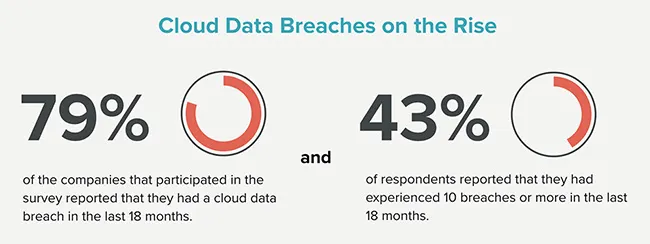
Understanding the consequences of mismanaging responsibilities under the Shared Responsibility Model can be illustrated by these notable data breaches:
- Capital One Data Breach (2019): A hacker exploited a misconfigured firewall in Capital One’s AWS environment, exposing personal data of over 100 million customers. The breach occurred because Capital One mistakenly assumed AWS would handle all security configurations.
- Verizon’s Cloud Storage Breach (2017): A misconfigured Amazon S3 bucket led to the exposure of millions of customer records. Verizon failed to properly configure their storage, assuming that AWS managed all security aspects.
- Uber Data Breach (2016): Sensitive information of 57 million users was compromised due to inadequate access controls. Uber relied too heavily on the cloud provider for security while neglecting to effectively manage their access protocols.
These breaches show how serious the risks can be when companies don’t understand the Shared Responsibility Model. Organizations need to be aware of their security responsibilities and actively manage them to prevent major data breaches. By taking these responsibilities seriously, they can better protect sensitive information and keep customer trust.
The Importance of the Shared Responsibility Model
The SRM is vital for several reasons:
- Clarity: Both the provider and customer know exactly which security tasks they are responsible for, reducing the chance of misconfiguration or oversight.
- Accountability: If a security breach occurs, it’s easier to determine where the breakdown happened — with either the customer or provider.
- Encouraging Security Best Practices: The model prompts organizations to adopt strong security practices, as they cannot rely solely on the cloud provider. Without this framework, businesses risk leaving critical aspects of their cloud environment vulnerable to attack.
Best Practices for Cloud Security
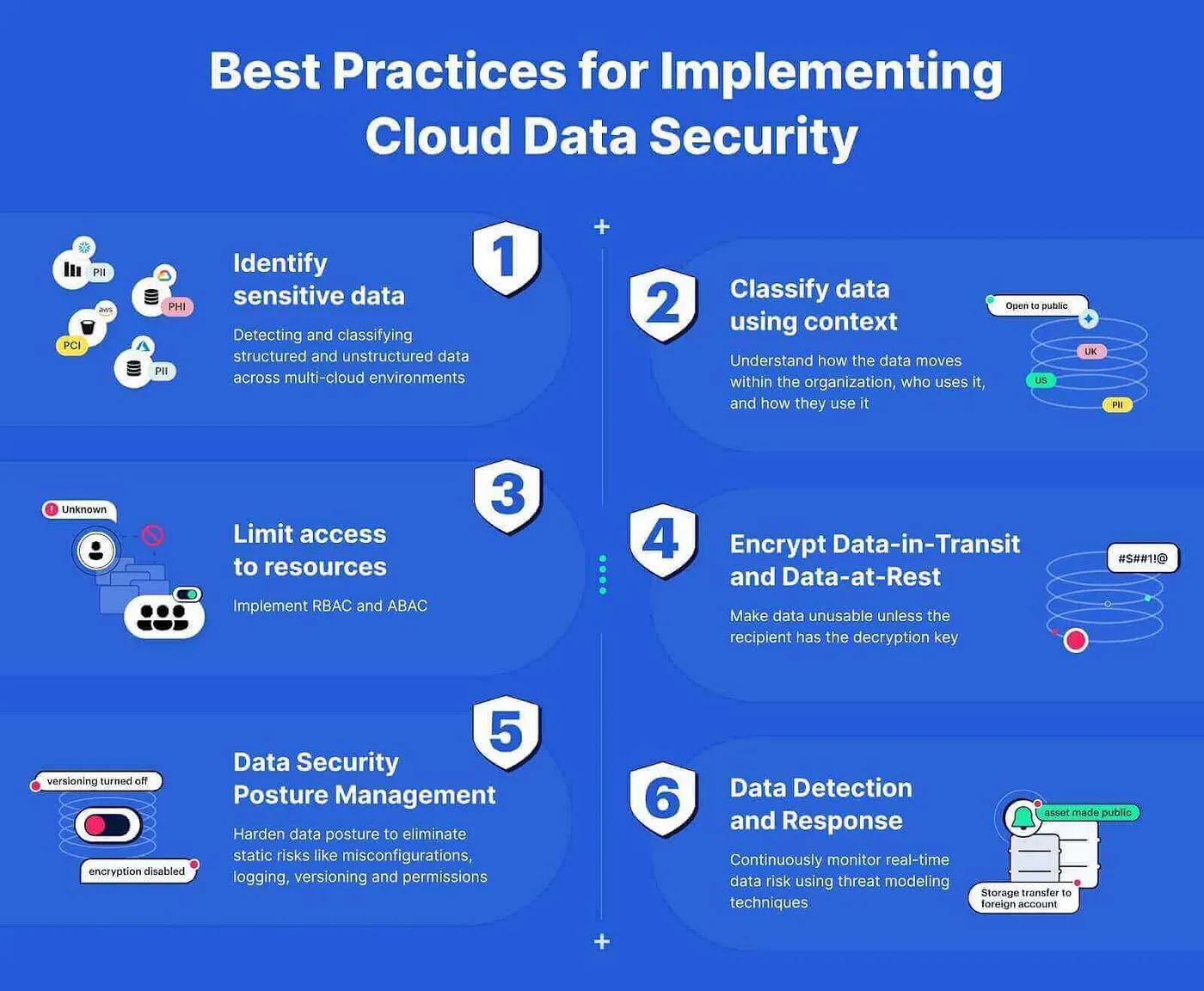
To effectively secure your cloud environment under the Shared Responsibility Model, consider these key best practices:
- Understand Your Responsibilities: Clearly identify what your cloud provider secures and what aspects you are responsible for protecting yourself.
- Leverage Security Tools: Utilize cloud-native security tools, like AWS CloudTrail or Azure Security Center, to continuously monitor and safeguard your assets.
- Implement Strong IAM Policies: Identity and Access Management (IAM) controls who can access specific resources and what actions they can perform. Ensure that only authorized individuals can access sensitive data by limiting user permissions and enabling multi-factor authentication for extra security.
- Conduct Regular Security Audits: Frequently review your security settings and configurations, especially after updates or new deployments, to ensure everything is properly secured.
Conclusion: A Partnership for Security
The Shared Responsibility Model is a fundamental part of cloud security. Understanding your role in this model is critical for preventing breaches and ensuring your cloud assets are well-protected. Security isn’t just a box to check; it’s an ongoing commitment that requires active participation from both you and your cloud provider. By adopting best practices, regularly auditing your cloud environment, and fostering collaboration with your cloud provider, you can build a secure and resilient cloud infrastructure.
Neglecting your responsibilities in this shared framework can lead to severe vulnerabilities and catastrophic data breaches. So, whether you’re just starting to explore the cloud or already have several applications running, remember this: security is a team effort. A strong understanding of the division of responsibilities is the first step toward creating a safer cloud environment for everyone.